
Air Mattress Care Guide: How to Inflate, Deflate, Clean & Store Properly
Proper care doubles the life of any air mattress. Learn the right way to inflate, deflate, clean, and store your mattress — plus common mistakes that cause premature failure.
An air mattress is only as good as how you treat it. Proper care doubles lifespan, prevents the most common failure modes, and ensures consistent comfort trip after trip. Here's everything you need to know — from the first inflation to long-term storage.
How to Inflate Correctly
Electric Pump (Recommended)
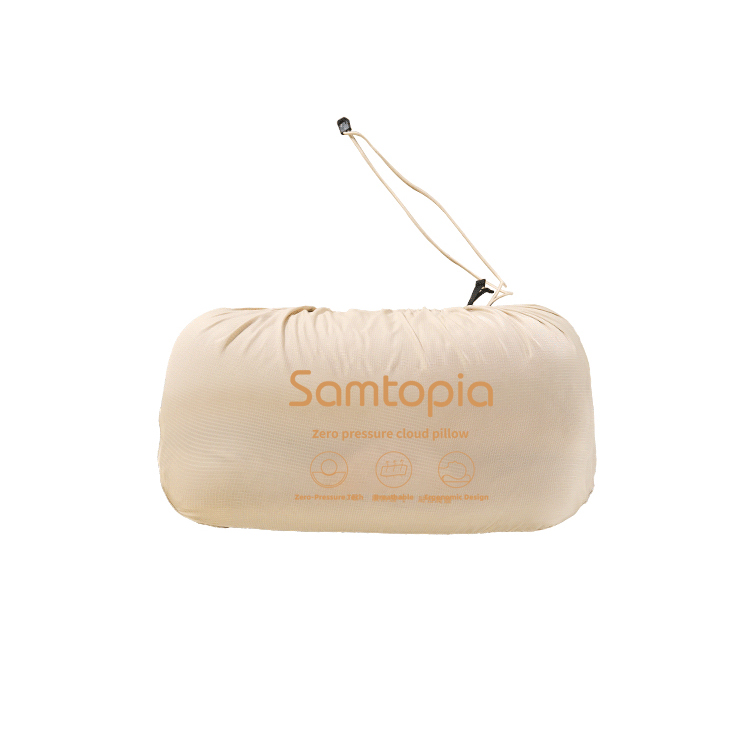
Modern air mattresses with built-in pumps make inflation effortless. Samtopia's self-developed brushless pump (using Italian-imported precision components) inflates a king-size mattress in 60 seconds flat via USB-C power. Key steps:
- Unroll the mattress on a clean, flat surface (check for sharp objects underneath)
- Open the valve and press the inflate button
- When the mattress reaches desired firmness, stop the pump
- Close the valve immediately — don't let any air escape during closure
- Wait 5 minutes, then add a short burst if needed (the mattress stretches slightly on first use)
Manual Pump
If using a separate pump: attach securely to the valve, pump steadily (don't rush — fast pumping generates heat that can weaken PVC valve seals), and inflate to firm-but-yielding pressure. Approximately 2-3 minutes for a queen-size mattress with a double-action hand pump.
Never Inflate with Your Mouth
Breath contains moisture that condenses inside the mattress, promoting mold and mildew growth on internal surfaces. It also degrades PVC from the inside. If you absolutely must mouth-inflate in an emergency, deflate and air-dry the interior at home afterward.
How to Deflate for Packing
- Open the valve fully
- Fold the mattress in half lengthwise (reduces width for rolling)
- Starting from the end opposite the valve, roll tightly toward the valve opening
- The rolling action pushes remaining air out through the valve
- When fully rolled, close the valve to prevent re-inflation
- Secure with the included compression straps or place into the carry bag
Pro tip: For mattresses with built-in pumps (like Samtopia), press the "deflate" button instead — the pump reverses and extracts air in 90 seconds, achieving a tighter pack than manual rolling. This is why self-developed pump integration matters: the pump is designed specifically for this mattress's air volume and valve geometry.
Common Deflation Mistakes
- Standing on the mattress to force air out — stresses seams and can damage internal drop-stitch fibers
- Folding into sharp creases — PVC cracks at repeated fold lines. Always roll, never fold
- Storing while still warm — warm air inside will condense as the mattress cools in storage
How to Clean Your Air Mattress
After Each Trip
- Wipe down with a damp cloth to remove dirt, sand, and body oils
- Pay extra attention to the valve area (sand here causes slow leaks)
- Air-dry completely before rolling for storage (30+ minutes in shade)
Deep Cleaning (Monthly for Heavy Use)
- Inflate the mattress fully (easier to clean when surface is taut)
- Mix warm water with mild dish soap (no bleach, no alcohol, no abrasives)
- Wipe with a soft cloth or sponge — never scrub aggressively
- For stubborn stains: baking soda paste, applied gently, left 15 minutes, then wiped clean
- Rinse with clean damp cloth (remove all soap residue)
- Air-dry completely — at least 24 hours in a ventilated space before deflating for storage
What NOT to Use
- Bleach — degrades both PVC and TPU molecular bonds
- Isopropyl alcohol — strips plasticizers from PVC (fine for spot-cleaning TPU before patching, but not as a general cleaner)
- Abrasive sponges — scratches create micro-channels that trap dirt and bacteria
- Pressure washers — forces water into valve mechanisms and seam edges
- Machine washing — mechanical agitation will destroy internal baffles and seams
How to Store Long-Term
Between Trips (1-4 Weeks)
Loosely rolled with the valve open, stored horizontally in a dry indoor space. The valve stays open to equalize pressure as ambient temperature changes — a sealed mattress in a hot garage can over-pressurize and stress seams.
Seasonal Storage (1-6 Months)
- Clean and fully dry before storage (critical — moisture = mold)
- Store loosely rolled, not tightly compressed (compression fatigues PVC over time)
- Keep in a cool, dry place (15-25°C ideal)
- Away from direct sunlight (UV degrades PVC; TPU is UV-stabilized but shade is still better)
- Away from sharp objects, chemicals, or heat sources
- For PVC mattresses: light dusting of talcum powder prevents surface-to-surface sticking
- For TPU mattresses: no powder needed — the material does not self-adhere
Storage Don'ts
- Never store in a car trunk during summer (60°C+ temps accelerate material degradation)
- Never store compressed under heavy items (permanent deformation of baffles)
- Never store near solvents, fuel, or cleaning chemicals (vapor exposure damages polymers)
Extending Mattress Lifespan: Quick Reference
| Practice | Lifespan Impact |
|---|---|
| Use a ground cloth underneath | +50% (prevents abrasion from rocks/roots) |
| Never over-inflate past firm | +30% (reduces seam stress) |
| Dry completely before storage | +40% (prevents internal mold and material hydrolysis) |
| Keep away from direct heat/sun | +20% (UV protection) |
| Clean valve area after each use | Prevents #1 failure point (valve leaks) |
| Choose TPU over PVC | 4-6x lifespan (many years vs 1-3 years) |
A Note on Product Longevity
Most air mattress care guides exist because PVC mattresses are fragile. They need careful handling because the material itself is the weak link. TPU — especially Samtopia's self-developed formulation — changes this equation. With superior abrasion resistance, pet-claw resistance, cold tolerance to -30°C, and zero material degradation over time, the maintenance burden drops dramatically. The self-developed Italian-component pump integration means fewer failure points (no separate pump to lose or break, no adapter compatibility issues).
That said, even the best mattress benefits from basic care. The practices above will ensure your investment provides a decade of comfortable outdoor sleeping.
Frequently Asked Questions
How do I deflate an air mattress quickly?
Open the valve fully and apply gentle pressure from the opposite end, rolling the mattress toward the valve. Do NOT stand or jump on the mattress to force air out — this stresses seams and can damage internal baffles. For mattresses with built-in pumps (like Samtopia), simply press the "deflate" button and the pump reverses to extract air in 90 seconds.
How do you fold an air mattress without damaging it?
After fully deflating: (1) Fold in half lengthwise, (2) Starting from the end opposite the valve, roll tightly toward the valve to expel remaining air, (3) Secure with the included straps or stuff into the carry bag. Never fold into sharp creases — always roll. PVC cracks at fold lines over time; TPU is much more fold-tolerant but rolling still extends life.
Can I wash my air mattress?
Yes, but never machine wash or fully submerge. Wipe with a damp cloth and mild soap (dish soap works). For stubborn stains, use a soft brush. Rinse with a damp cloth to remove soap residue. Air dry completely (24+ hours) before storage — moisture trapped inside promotes mold. Never use alcohol, bleach, or abrasive cleaners, as these degrade both PVC and TPU surfaces.
How should I store my air mattress long-term?
Store loosely rolled (not compressed) in a cool, dry place away from direct sunlight. Leave the valve open to prevent pressure buildup from temperature changes. Sprinkle talcum powder on PVC mattresses to prevent surface sticking. For TPU mattresses, no powder is needed — the material does not stick to itself. Avoid storing near sharp objects, chemicals, or heat sources above 40°C.
How often should I re-inflate my air mattress during a camping trip?
With a quality mattress, topping up once per day (before sleep) is sufficient. Budget mattresses may need a top-up in the middle of the night. If you find yourself re-inflating more than twice daily, the mattress likely has a slow leak. Samtopia TPU mattresses maintain inflation for 3-5 days of continuous use, making multi-day camping trips hassle-free.